ĐỐI TÁC PHÁT TRIỂN NÔNG NGHIỆP BỀN VỮNG VIỆT NAM (PSAV)


- Giới thiệu
- Nhóm Công tác
- Thông tin về FTA
- Tài Liệu
 Điều lệ hoạt động
PAA Explores Opportunities to Support Sustainable Rice Development in Vietnam
On the morning of August 3, Deputy Minister of Agriculture and Environment Nguyen Hoang Hiep welcomed Mr. Shaun Seow, Chief Executive Officer of the Philanthropy Asia Alliance (PAA), for a courtesy meeting to discuss opportunities for cooperation in promoting high-quality, low-emission rice production in Vietnam.
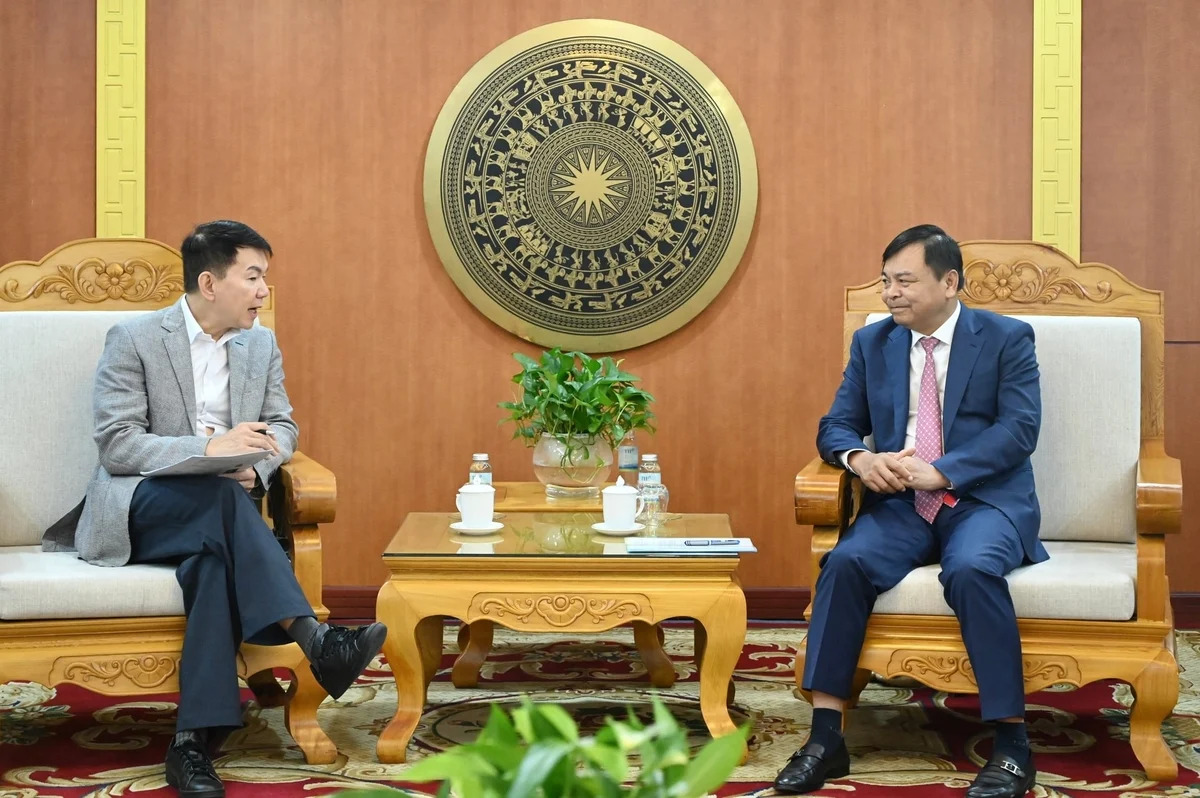
Deputy Minister Nguyen Hoang Hiep meets with Mr. Shaun Seow, CEO of the Philanthropy Asia Alliance (PAA), to discuss opportunities for cooperation in promoting sustainable, low-emission rice production in Vietnam
Mobilizing Resources to Scale Up the One Million Hectares Rice Program
During the meeting, Deputy Minister Nguyen Hoang Hiep highlighted that the Ministry of Agriculture and Environment (MAE) is actively implementing several key initiatives to transform Vietnam’s rice sector towards sustainability, with farmers placed at the center of this transition.
According to the Deputy Minister, the overarching objective is to improve farmers’ livelihoods by enhancing their health, increasing the value of agricultural production, and raising farm incomes. Achieving these goals requires more efficient cultivation practices that reduce production costs while generating higher-value outputs.
"The transformation begins with the adoption of high-quality rice varieties, improved seeding techniques, laser land leveling, modernization of irrigation systems, the application of Alternate Wetting and Drying (AWD) irrigation, water-saving technologies, emissions reduction, and increased mechanization," Deputy Minister Nguyen Hoang Hiep told the PAA delegation.
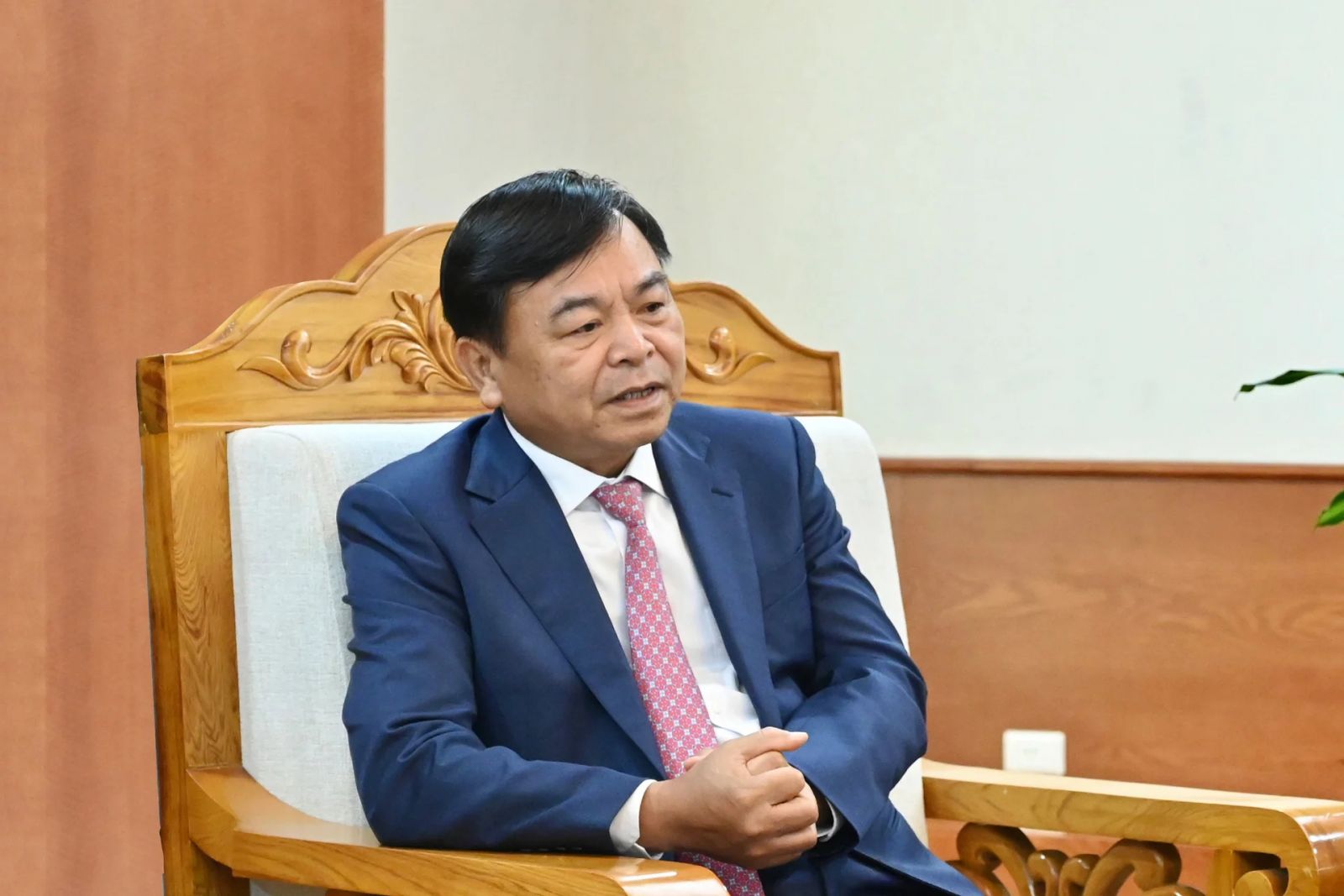
Deputy Minister Nguyen Hoang Hiep emphasized that sustainable rice production must create greater economic value for farmers through improved production practices and market opportunities.
The Ministry is also guiding local authorities to restructure rice production by increasing the cultivation of premium, fragrant, and specialty rice varieties while gradually phasing out lower-quality varieties. At the same time, efforts are being made to strengthen post-harvest processing and storage capacity to better meet the requirements of international markets.
The Deputy Minister emphasized that one of the greatest challenges is mobilizing sufficient resources to implement these initiatives at scale. In this regard, he noted that support from international philanthropic organizations and development partners would play a vital role in expanding successful models nationwide.
Creating Greater Value through Low-Emission Rice
Regarding low-emission rice production, Vietnam is pursuing two complementary pathways to increase value.
The first is to develop stronger market demand for responsibly produced, low-emission rice. Deputy Minister Nguyen Hoang Hiep encouraged PAA and its member organizations to help raise awareness among global consumers about the environmental and social value of Vietnamese low-emission rice.
The second pathway is to promote carbon credit development and trading.
After three years of implementing the One Million Hectares High-Quality, Low-Emission Rice Program in the Mekong Delta, Vietnam has established a Monitoring, Reporting and Verification (MRV) system for the rice sector. More importantly, the emissions reductions achieved by Vietnamese farmers are increasingly being recognized internationally, laying the foundation for carbon credits to become an additional source of income for rice producers.
The Deputy Minister also shared that Vietnam is expanding its responsible production approach beyond rice to other agricultural commodities, with the goal of promoting sustainable agricultural transformation across the sector.
PAA Expresses Interest in Partnering with Vietnam
Mr. Shaun Seow, CEO of the Philanthropy Asia Alliance, commended Vietnam as one of the regional leaders in transitioning toward low-emission rice production and expressed PAA's interest in learning more about the country's practical experiences and successful models.
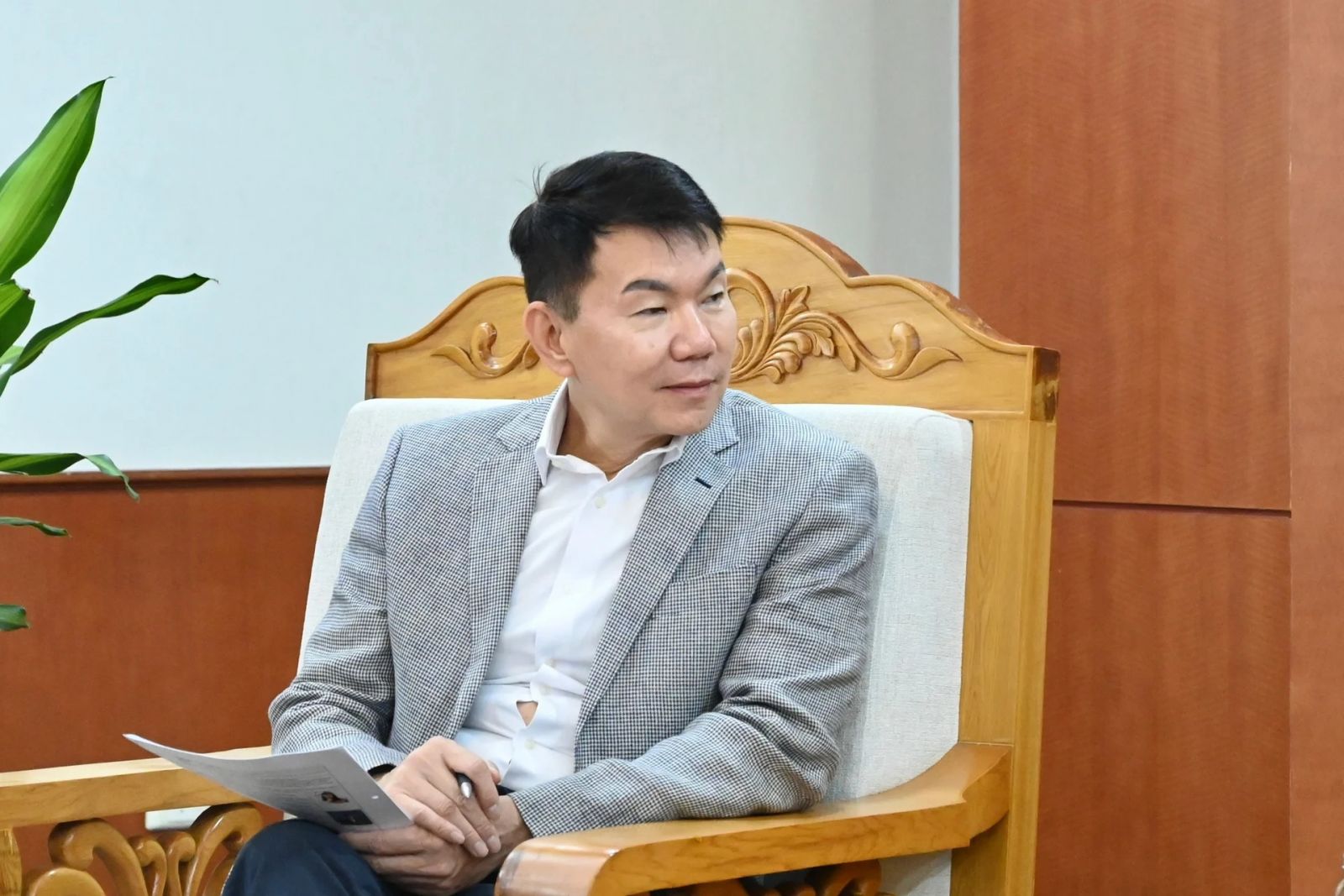
Mr. Shaun Seow, CEO of the Philanthropy Asia Alliance (PAA), shared the Alliance's commitment to supporting sustainable rice transformation and strengthening regional collaboration
PAA is collaborating with the Food Action Alliance, an initiative under the World Economic Forum (WEF), which brings together more than 60 partners from the private sector, financial institutions, governments, farmer organizations, and technical experts to accelerate the transition toward more sustainable and resilient food systems.
As the regional coordinator for rice initiatives in Southeast Asia, PAA is connecting scientific innovation, catalytic funding, and market demand to support the improvement of five million hectares of rice cultivation across the region by 2030.
PAA also expressed its desire to work closely with agencies under Vietnam's Ministry of Agriculture and Environment to conduct research, exchange knowledge, mobilize resources, and expand sustainable rice production models throughout the region.
Rather than operating as a traditional grant-making organization, PAA serves as a platform that facilitates multi-stakeholder partnerships and collective action, recognizing that the region's complex challenges require collaborative solutions.
Deputy Minister Nguyen Hoang Hiep reaffirmed Vietnam's commitment to strengthening international cooperation and welcomed opportunities to exchange knowledge and experience with global partners. He expressed confidence that the meeting would provide a solid foundation for deeper collaboration between the Ministry of Agriculture and Environment and the Philanthropy Asia Alliance in the years ahead.